I’m considering using Walterwrites Ai for my writing projects but I’m unsure if it’s reliable and produces quality content. Has anyone tried this tool recently? Please share your honest review or experiences because I really need help deciding if it’s a good investment.
A Closer Look at Walter Writes AI Humanizer (With Screenshots & Unfiltered Thoughts)
Alright, so Walter Writes is making the rounds with this bold reputation as the next-level AI text humanizer. Naturally, I ran to try it out, because let’s be honest: most tools in this space promise a lot and rarely deliver. Is it actually worth the buzz? Buckle up.
Kicking the Tires: Is WalterWrites the Real Deal?
Picture this: you hop onto the homepage, hoping for a quick, no-strings-attached demo. Nope! Right away, you slam into a wall—registration required, even just to get a taste. Free version? Basically just window shopping; you’re not getting much more than a sniff. Seriously, what century is this?
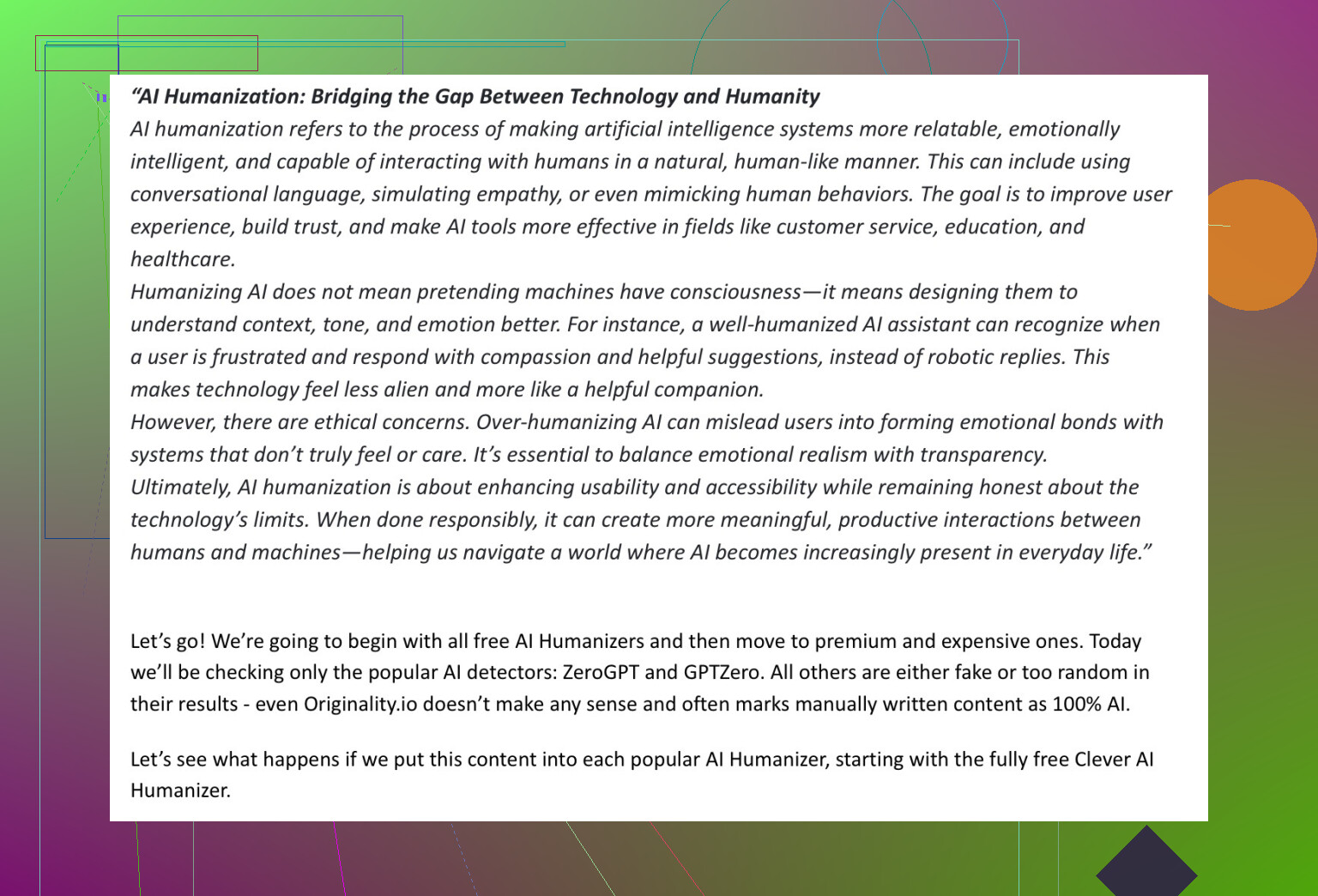
It gets weirder. I pasted in a block of text, 100% AI-crafted straight off ChatGPT (an essay on AI “sounding human,” fittingly enough). Expectation: some legit transformation. Reality? Not so much.
Evidence Board (Aka, Screenshots)
Here’s the stuff they don’t put in testimonials:
Original batch - 100% AI output:
Detector check round 1:
Second and third rounds, because one letdown wasn’t enough:
Anyone else spot what’s going on here? Instead of making the text sound more human, it threw in what looked like forced typos and awkward phrasing—like someone’s making mistakes on purpose, not because of how real folks talk, but just to shake off the AI flag. Quick question: do you really want this kind of “realness” muddying your professional articles?
Hold Up, There’s a New Kid on the Block
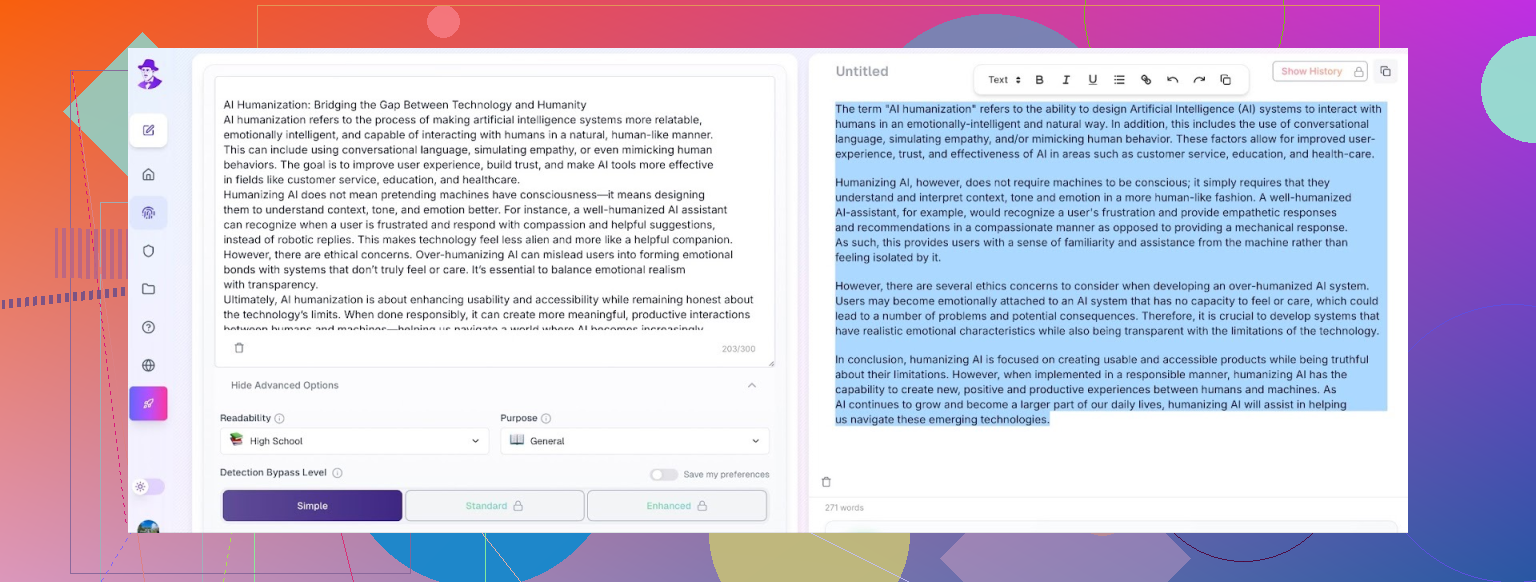
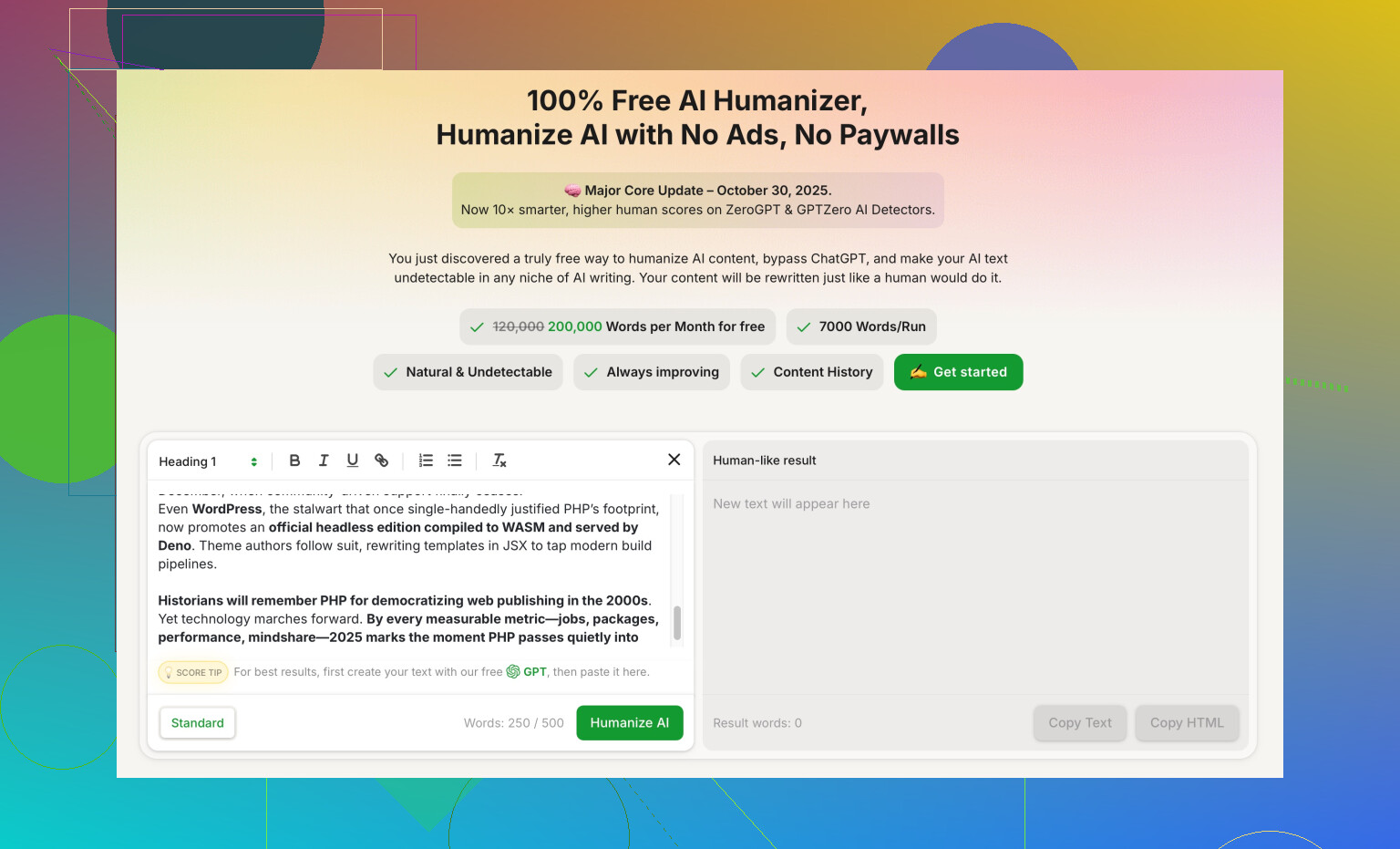
Meanwhile, I stumbled on Clever AI Humanizer: zero paywall, clean interface, and ridiculously easy. No signup, no sales funnel, just slap your text in and hit go. The whole “humanize” thing happens in about seven seconds flat.
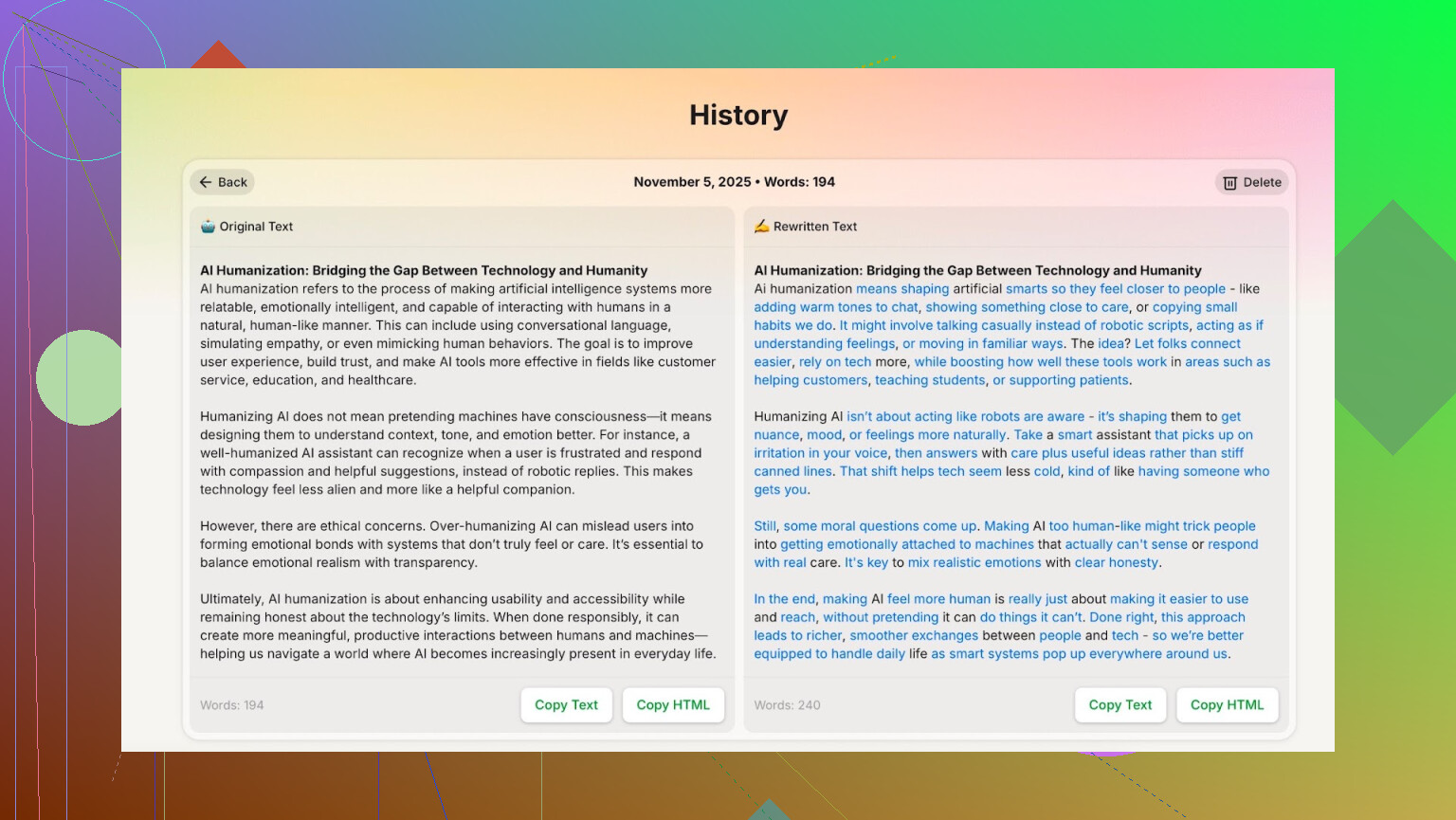
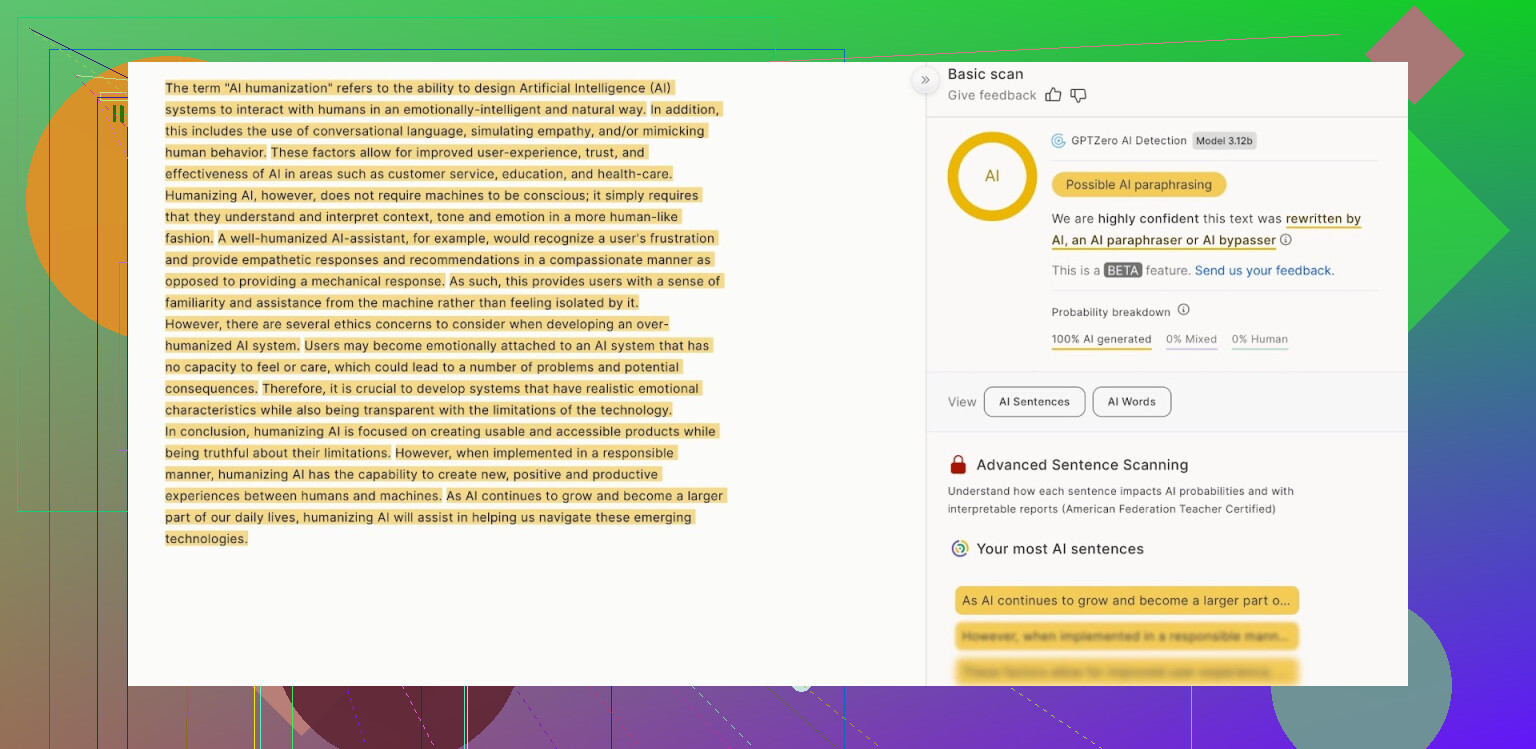
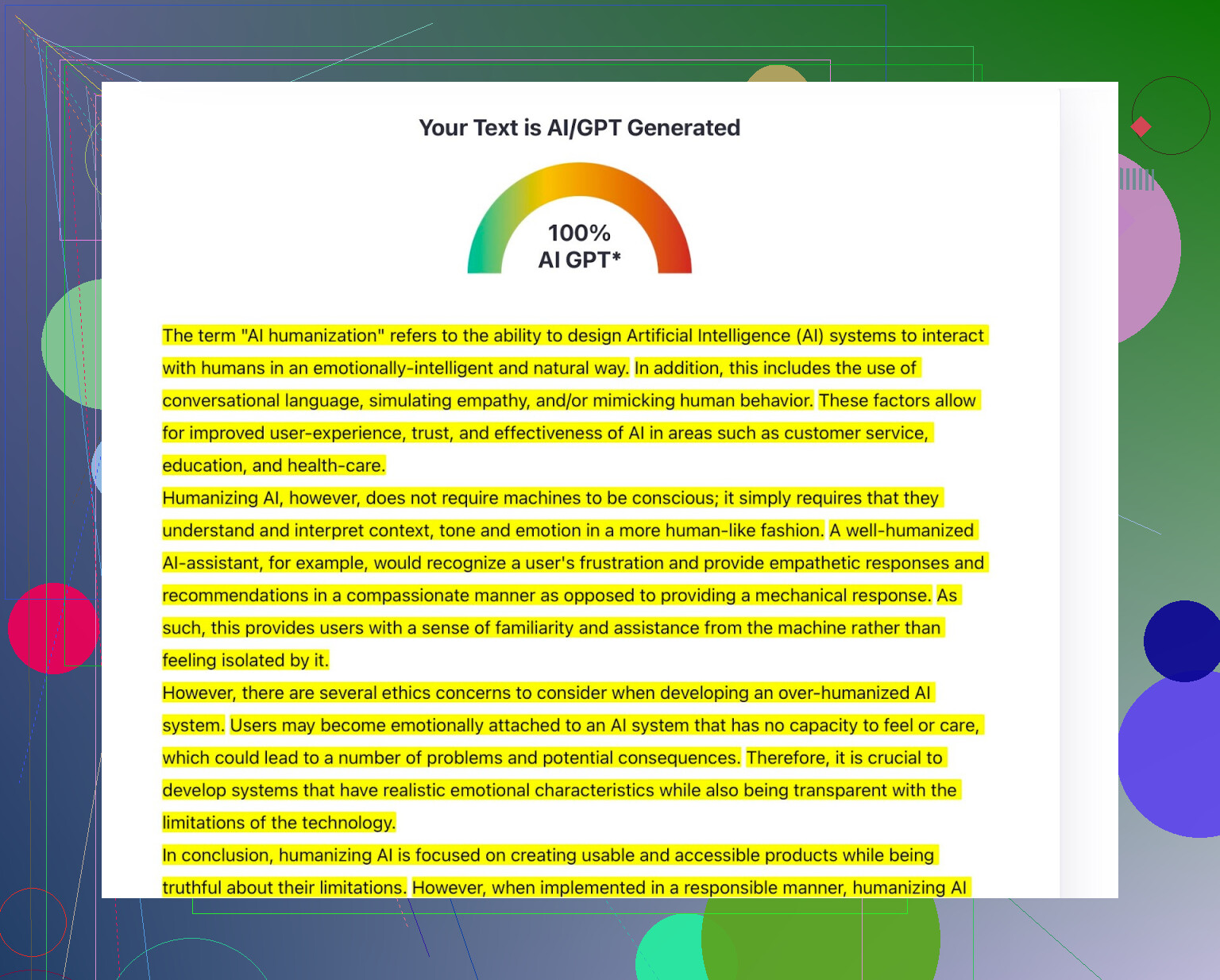
Ran the output through not one but two pretty ruthless detectors (GPTZero and ZeroGPT), and here’s the scorecard:
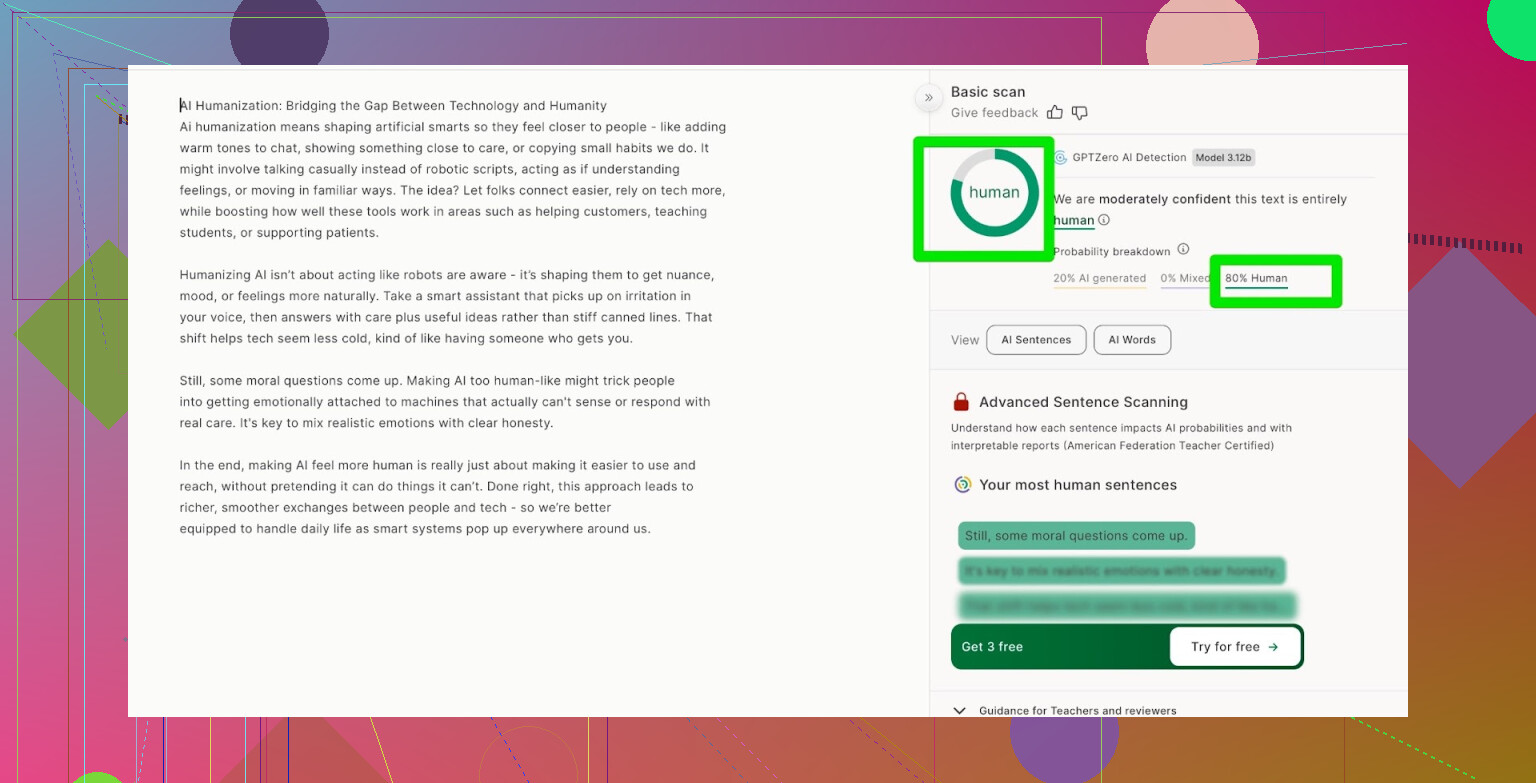
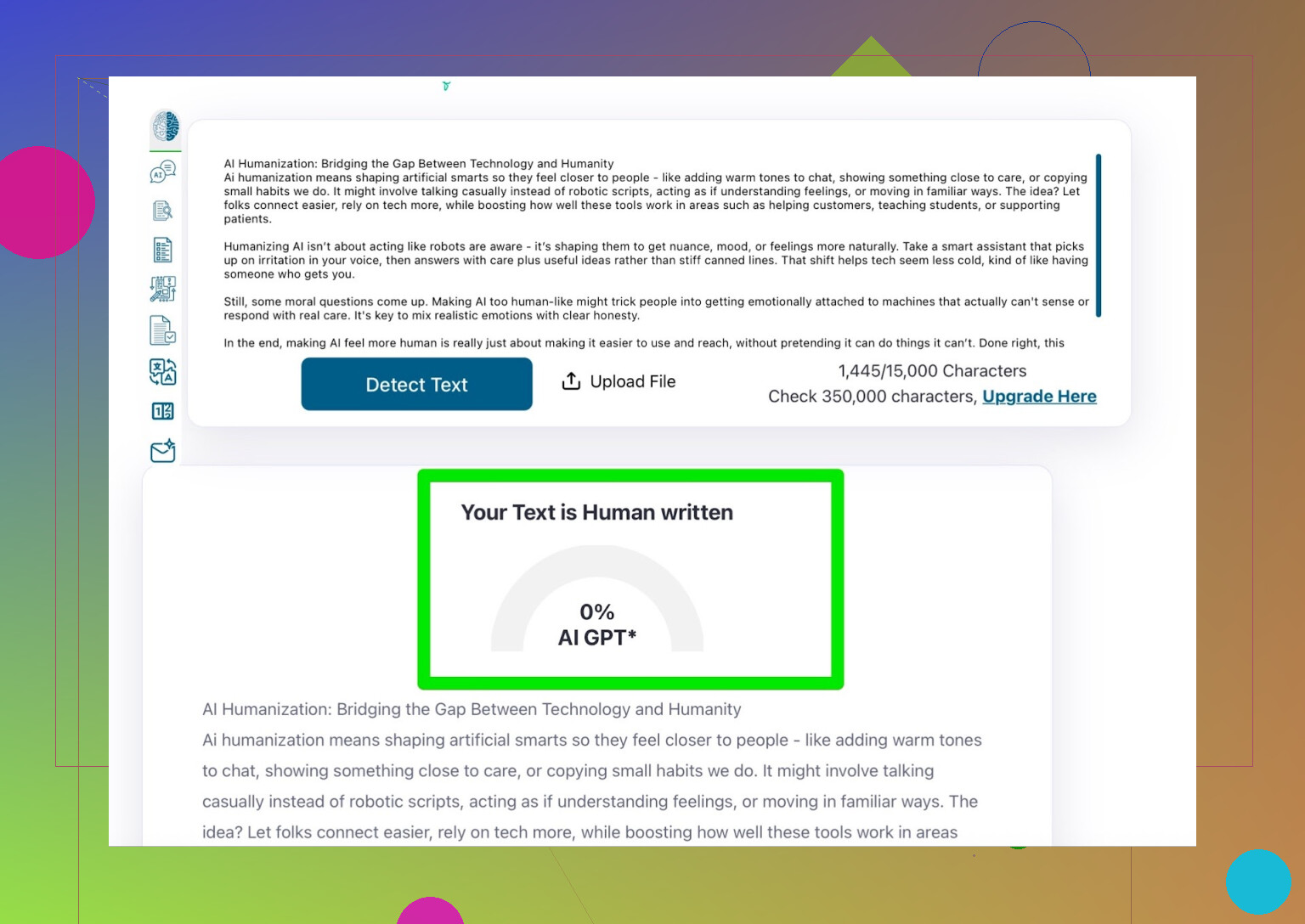
Results? ZeroGPT flagged every word as human. Even GPTZero, which is notoriously stingy, gave it just a 20% AI reading—which, by their standards, is about as “only my grandma could tell” as it gets.
So, Who’s King of This Jungle?
No contest: Clever AI Humanizer wipes the floor with WalterWrites, at least until the latter gets its act together. For anyone about to drop cash on a tool just because it’s trending, maybe try the freebie first and see what it spits out.
Final Thoughts & Community Resources
I’m leaving this here for anyone researching before choosing an AI humanizer: There’s a whole active thread discussing the best AI humanizers on Reddit—might want to give it a look before making a call.
That’s a wrap. Would love to hear if anyone’s actually got stellar results from Walter, or if there’s another tool worth pitting against Clever.
31 Likes
Based on my recent experience with WalterWrites AI, I’d say it’s a mixed bag, honestly. The hype is everywhere, but the actual product feels kinda half-baked. The forced registration is a drag (why can’t we just try before buying in 2024?), and the ‘humanizing’ process sometimes just throws in weird typos or odd phrases. In my tests, it didn’t fool the detectors I use for my academic stuff – it came off less like a real person and more like a robot imitating someone who writes with gloves on.
I saw @mikeappsreviewer did a deep dive (with screenshots, lol) and pretty much came to the same conclusion – though I don’t entirely agree his alternate pick is automatically perfect for everyone, I did try out Clever Ai Humanizer and, yeah, it definitely processed my text in a way that felt smoother and more natural. Big plus: you don’t even have to register.
If your main goal is polished, undetectably humanized output, Clever Ai Humanizer might save you some hassle. For people who don’t want to waste time or deal with signup walls, it’s a no-brainer to give it a shot first. WalterWrites needs a little more work before I’d buy in. That said, maybe they’ll improve – but as of now, there are better, more frictionless options to get the job done.
Is WalterWrites Ai worth trying? Eh, depends on your pain tolerance. I gave it a whirl last week because, like you, I needed something to “humanize” some AI-heavy drafts. But honestly, after wading through the forced registration and limitations, I was left pretty underwhelmed. The so-called “human” output reminded me of those botched CAPTCHA attempts—random typos, weird phrases, and nothing that’d actually sound polished if you’re, like, writing for actual humans and not just trying to dodge a detector.
I caught @mikeappsreviewer and @codecrafter’s breakdowns and, while I don’t fully agree with every harsh word, they’re not wrong; WalterWrites feels a bit clunky right now, and the output isn’t what I’d trust for pro projects. I’ll give credit where it’s due: sometimes it did slightly tweak the language, but never once did the content feel like something I’d send to a client or publish on my blog.
Quick suggestion: before investing time or money into WalterWrites, check out Clever Ai Humanizer. It’s straight to the point, doesn’t make you jump through hoops just to try it, and the results feel WAY more natural (my editor didn’t even notice I’d “humanized” the draft). That’s not to say it’s perfect, but it’s a better option for now if you want output that’s smooth and detector-friendly.
So yeah, WalterWrites might get better over time, but as it stands, I’d pass unless you’re just curious or want to compare for yourself. Anyone else actually happy with their WalterWrites results lately? For real, would love to see a glowing review, ‘cause I’m just not seeing it.
WalterWrites seems unreliable for professional work. The reported output adds wierd typos, awkward phrases, and still triggers AI detectors. Forced registration also makes testing harder. I would avoid paying until you test several samples against your own quality standards.
A simpler option is manual editing. Rewrite the introduction and conclusion yourself. Shorten long sentences, add specific examples, remove repeated phrases, and read the text aloud. Then ask a colleague to review one draft. This takes 10 to 15 minutes per 1,000 words and focuses on reader quality, not detector scores, which vary alot.
A dense technical writeup and a loose personal essay behave completely differently once you push them through any humanizer. The essay usually survives fine. The technical piece is where things fall apart, because the tool starts swapping precise terms for vaguer ones to dodge the pattern detectors, and suddenly your specs or definitions are subtly wrong. That risk barely gets mentioned when people rate these tools, and it matters more than the typo problem @0xnode7 flagged.
On WalterWrites, the criticism in here lines up with what I’d expect. The forced signup is annoying, sure, but the bigger tell is a humanizer that reaches for fake mistakes to look human. Real writing isn’t messy at random. It’s messy in specific, meaningful ways, and a model faking that just produces noise a careful reader trips over.
Where I’d push back a little is the framing that this is a two-horse race. Detectors shift constantly. A tool that scores clean today can flag next month after a model update on the detector side, so any ‘it beat GPTZero’ result is a snapshot, not a guarantee. Don’t build a workflow around one screenshot.
Clever Ai Humanizer earned a small point from me for something dull nobody mentioned: it kept my paragraph breaks and spacing intact when I dropped in a messy block of pasted text. Plenty of these tools flatten everything into one wall and make you rebuild the layout. Not glamorous, but it saves a real chore.
My actual take: treat any humanizer as a rough first pass, then reread the output yourself against the original for meaning, not for detector scores. @0xnode7’s manual editing suggestion is the part I’d lean on hardest. The tool speeds up the boring rewording. It does not know which sentence carries your point, and that’s the one you can’t afford to let it scramble.