I’m looking for recommendations on the most secure remote access software. Recently, my team’s current solution has shown vulnerabilities, and we urgently need to switch to a more reliable and secure option. We handle sensitive data, so top-notch security is a must. Any suggestions?
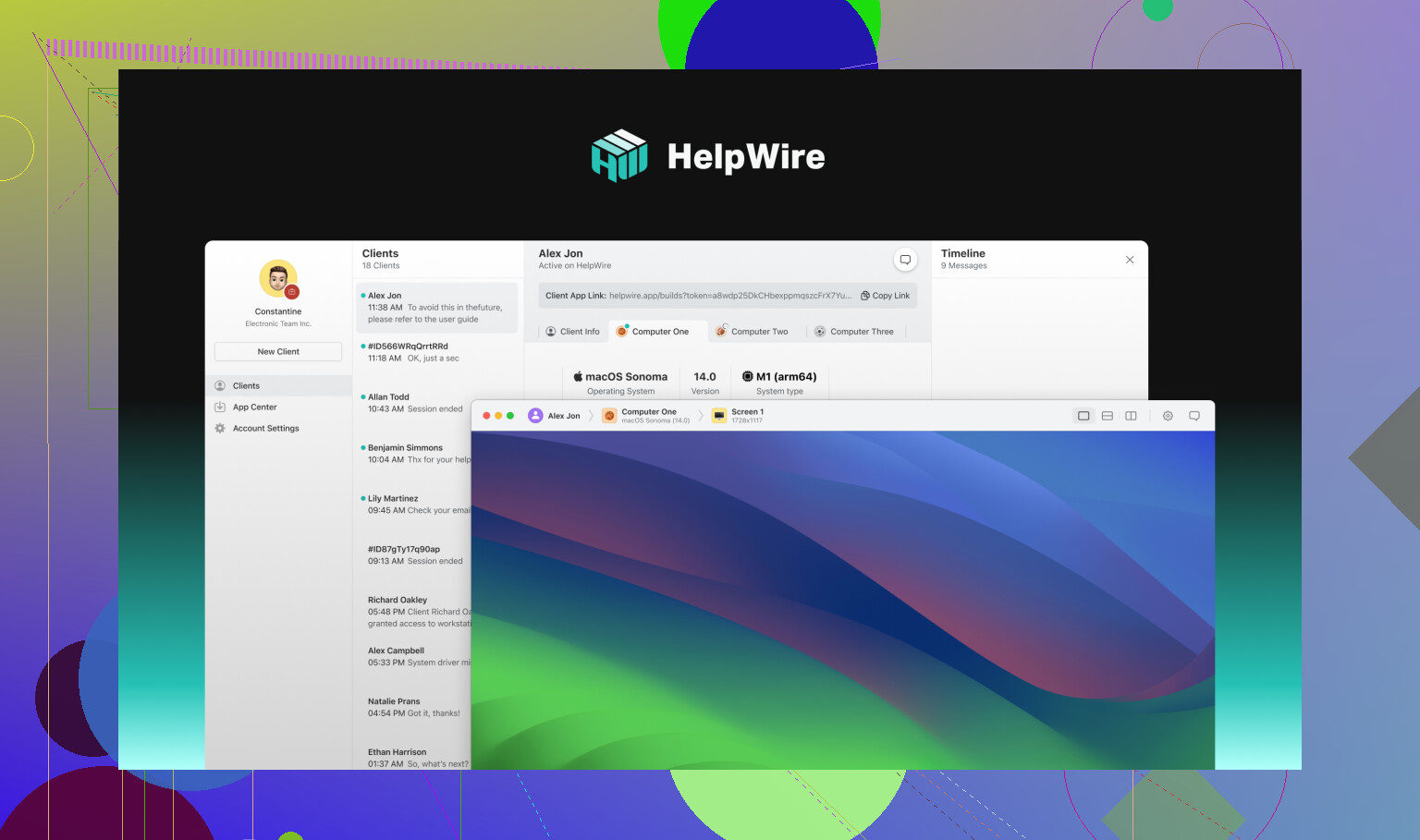
Alright, team security is a big deal and seeing vulnerabilities in your current remote access solution is a red flag. For a breach-proof option, I’d recommend checking out something like HelpWire secure remote desktop tool.
It’s not just about security; the software ensures reliable connections and robust encryption, safeguarding your data wherever it flows. Given that you handle sensitive information, HelpWire’s tight security protocols make it an attractive upgrade.
Key features to note:
- Encrypted communication channels.
- Multi-factor authentication.
- Real-time monitoring & alerting systems.
- Support for a wide range of devices and platforms.
It might seem like switching will take some effort, but the increased security should be worth it. Stay secure!
34 Likes
If you’re still hunting for the most secure remote access software, consider checking out HelpWire. But don’t just look at one option!
@voyageurdubois mentioned HelpWire, which is solid. However, depending on your needs, you might also want to look into alternatives like:
-
TeamViewer: Provides end-to-end encryption and robust security features, plus it’s pretty user-friendly. Perfect if you need something intuitive.
-
AnyDesk: Known for fast and secure connections with military-grade encryption. Great if speed and performance are key for you.
-
VPN Solutions like NordVPN Teams: While primarily for secure browsing, it can be configured for remote access. Offers fantastic encryption and privacy controls.
-
LogMeIn: A veteran in the remote access game with reliable security features such as multi-factor authentication and advanced endpoint management.
One thing to keep in mind: always ensure whatever solution you pick supports multi-factor authentication and end-to-end encryption. These features are non-negotiable in today’s security landscape.
Switching tools might feel like a hassle, but it’s important to weigh this against the potential risks of staying with a vulnerable solution. Good luck with the switchover!
If security is paramount, don’t skip on considering HelpWire. This tool offers encrypted communication and multi-factor authentication, crucial for protecting se…. But, let’s break things down:
Advantages of HelpWire:
- Encrypted Communication Channels: Your data stays secure as it travels.
- Multi-Factor Authentication: Adds an extra layer of security.
- Real-Time Monitoring & Alerts: Always know what’s happening.
- Wide Device Support: Works across various platforms.
Potential Drawbacks:
- Learning Curve: May take some time to get used to if switching from another solution.
- Initial Setup: The setup might be more complex compared to other tools.
Competitors to Consider:
1. TeamViewer:
- Pros: User-friendly, end-to-end encryption.
- Cons: Sometimes flagged for vulnerabilities in the past.
2. AnyDesk:
- Pros: Fast, military-grade encryption.
- Cons: Limited free version compared to some peers.
3. NordVPN Teams:
- Pros: Excellent privacy controls, not just for browsing.
- Cons: Primarily a VPN, can be less straightforward for remote access.
4. LogMeIn:
- Pros: Reliable with robust security.
- Cons: Can be pricey for what you get.
Switching Tips:
When switching tools, prioritize test-running to ensure it fits your team’s workflow. Also, always backup and secure old data before transition.
In conclusion, while TeamViewer, AnyDesk, NordVPN Teams, and LogMeIn are solid choices, HelpWire’s robust security protocols make it particularly suited for sensitive data environments.
Instead of replacing one remote-control app with another, use a managed jump server behind your existing company VPN. Require SSO, MFA, device approval, and IP allowlists. Block direct RDP and SSH access from the internet. Give each employee a named account, limit permissions, and record admin sessions. Start with one team for 7 days, then review logs and access failures. This setup reduces third-party software exposure and keeps control in your own enviroment. It is also easier to audit and revoke access fast when somone leaves.
Watch out for the phrase ‘military-grade encryption.’ It shows up in vendor copy for half these tools and it tells you nothing about whether the product is actually safe to run. AES is AES. The breaches that hit remote access software almost never come from cracked encryption. They come from stolen session tokens, an unpatched client left running on someone’s laptop, or a compromised vendor pushing a bad update. So when you shortlist, ask how fast the company ships security patches and whether they’ve had an incident and disclosed it honestly. That history matters more than the feature checklist everyone’s pasting.
@emma1994 is the only one here pointing at the real problem. The tool is not your main attack surface, your access model is. A jump server behind your VPN with SSO, MFA and session recording does more for you than swapping one remote desktop app for another. If you skip that and just install a ‘more secure’ client, you’ve moved the risk around, not reduced it.
Where I’d soften her advice a bit: a full jump server setup is real work, and if your team is small or half remote with mixed hardware, standing that up cleanly takes longer than seven days in practice. Don’t let perfect block good. You can start by killing any internet-facing RDP today, forcing MFA on every account, and cutting the number of people with standing admin access. Those three things close most of the doors an attacker would actually try.
For the client itself, I’d standardize on one tool and lock it to named accounts rather than shared logins, which is where a lot of teams quietly leak access. HelpWire works fine for that role. TeamViewer and AnyDesk are both capable too, just be aware they’ve each had rough patches historically, so whatever you pick, turn off unattended access unless a specific person genuinely needs it and keep the client auto-updating.
The thing people forget in these threads: offboarding. Test how fast you can fully revoke someone’s access, VPN, SSO and the remote client included, and time it. If it takes more than a few minutes or depends on one admin being awake, that’s your actual vulnerability, not the encryption spec.